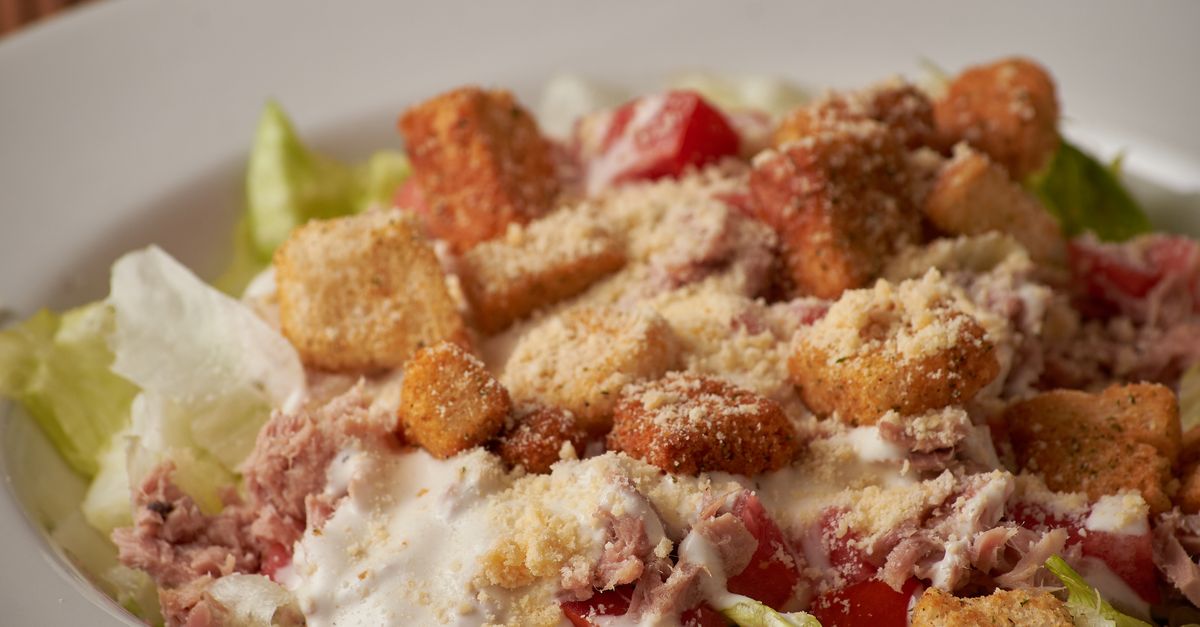
Why Your Homemade Salad Dressings Lack Zest (And The Pro Secrets That Guarantee Restaurant-Quality Flavor)
You’ve spent time carefully selecting fresh greens, crisp vegetables, and maybe even a few gourmet toppings for your salad. It looks beautiful. Then you drizzle on your homemade dressing, take a bite, and… it’s just okay. It lacks that vibrant, cohesive zing you get from a great restaurant salad. It’s either too oily, too bland, too acidic, or it separates almost immediately. You follow recipes, you use good olive oil, but still, something is missing.
I’ve been there countless times. For years, I struggled with dressings that never quite hit the mark. I thought I just wasn’t a ‘dressing person’ or that store-bought was always superior. But then, I started paying close attention to what chefs actually do, and what I discovered wasn’t complicated – it was about understanding a few fundamental principles and making some strategic shifts in my approach. It turns out, many common homemade dressing failures stem from overlooked details in ingredient quality, proportion, and emulsification technique. It’s not just about mixing things; it’s about building flavor and texture intentionally.
Key Takeaways
- Prioritize quality, fresh ingredients like good olive oil, vinegars, and fresh herbs for foundational flavor.
- Master the ‘Golden Ratio’ of 3 parts oil to 1 part acid, then adjust to personal taste.
- Employ proper emulsification techniques, like slow drizzling and constant whisking, to prevent separation.
- Balance your dressing with a variety of flavor notes: acid, fat, salt, sweet, and umami.
- Don’t be afraid to experiment with different oils, acids, and aromatics to find your signature blend.
The Overlooked Power of Ingredient Quality (It’s More Than Just Olive Oil)
Most home cooks focus on the main components – olive oil and vinegar – and assume any brand will do. This is a critical error. Just as a fine wine starts with good grapes, a great dressing starts with superior ingredients. I learned this the hard way after many unremarkable dressings.
The Olive Oil Deception: For years, I’d grab whatever ‘extra virgin olive oil’ was on sale. The truth is, many inexpensive olive oils are cut with cheaper, less flavorful oils, or are simply poor quality. A truly good extra virgin olive oil (EVOO) should have a distinct peppery finish, a fruity aroma, and a rich, verdant color. When I finally invested in a high-quality, cold-pressed EVOO, the difference was immediate and transformative. It adds a depth of flavor and a silky mouthfeel that simply cannot be replicated by inferior oils. Think of it as the canvas for your masterpiece – you wouldn’t use cheap paint on a good canvas.
Vinegar is Not Just Vinegar: Similarly, not all vinegars are created equal. A basic distilled white vinegar offers acidity but little else. A good red wine vinegar provides a robust, fruity tang. Apple cider vinegar offers a lighter, fruitier note. Balsamic vinegar, especially aged varieties, brings a complex sweetness and depth. When choosing balsamic, look for a thicker consistency and minimal added sugar, indicating a higher quality. For delicate salads, a good Champagne vinegar or white wine vinegar offers brightness without overpowering. Each vinegar has a personality, and matching it to your salad is key.
Fresh Herbs and Aromatics are Non-Negotiable: I used to think dried herbs were ‘good enough’ for dressings. They are not. Dried herbs have a muted, often dusty flavor profile compared to their fresh counterparts. Mincing fresh parsley, dill, basil, or chives introduces vibrant bursts of flavor and aromatic complexity that dried versions simply can’t. Similarly, fresh garlic, shallots, or ginger, finely minced or grated, provide a pungent base that awakens the entire dressing. The subtle heat and freshness are crucial. I now make it a rule: if the dressing calls for herbs, use fresh. Period.
Mastering the Golden Ratio: Oil to Acid Proportions That Just Work
One of the most common reasons homemade dressings fall flat or taste unbalanced is incorrect proportions of oil and acid. There’s a general guideline, a ‘golden ratio,’ that provides an excellent starting point: three parts oil to one part acid. This ratio typically provides a balanced flavor that is neither too greasy nor too sharp. But here’s where the nuance comes in.
I vividly remember my early attempts: either a pool of oil at the bottom of the bowl or a dressing so tart it made my eyes water. The 3:1 ratio changed everything for me. It provides a baseline of richness from the oil, which mellows the sharpness of the acid. However, this is just a starting point, not a commandment.
Acidity Varies: The strength of your chosen acid plays a huge role. A potent white vinegar might require a slightly higher oil ratio (say, 4:1) to keep it from being overwhelmingly tart. A milder lemon juice or a less acidic rice wine vinegar might work beautifully at a 2:1 ratio. Taste as you go! This is where your palate becomes your best tool. I always start with 3:1, then add more oil teaspoon by teaspoon if it’s too sharp, or a few drops more acid if it’s bland.
Consider Your Salad: The type of salad you’re dressing also influences this ratio. Hearty greens like kale or a robust grain salad can handle a more assertive, acidic dressing (perhaps leaning closer to 2:1 or even 1:1 if it’s a creamy dressing). Delicate butter lettuce or tender baby spinach might be overwhelmed by too much acidity and benefit from a higher oil ratio (4:1). Think about the texture and bitterness of your greens – stronger flavors can stand up to stronger dressings.
The Sweet and Salty Counterbalance: Don’t forget that salt and sugar (or honey/maple syrup) are crucial for balancing the oil and acid. A pinch of salt enhances all the flavors, while a touch of sweetness can round out harsh acidity. I often find a half-teaspoon of honey or maple syrup is enough to transform a good dressing into a great one by softening the edges and adding complexity.
The Art of Emulsification: Preventing That Annoying Separation
Nothing screams ‘homemade amateur’ louder than a salad dressing that separates into distinct layers of oil and vinegar after a few minutes. Emulsification is the process of blending two liquids that don’t naturally mix (like oil and water/vinegar) into a stable, creamy solution. Many home cooks skip this step or do it incorrectly, leading to a watery, oily mess.
My first dressings were always a battle of layers. I’d shake, they’d separate. Shake again, separate again. It was frustrating. Then I learned the technique, and it made all the difference in texture and mouthfeel.
The Slow Drizzle Method: This is the most important technique. Whether you’re using a whisk, a blender, or an immersion blender, the key is to slowly drizzle the oil into the acid mixture while continuously agitating. If you dump all the oil in at once, it will never emulsify properly. Start with a few drops, then a very thin stream. This allows the oil to break down into tiny droplets, which are then suspended evenly throughout the acid base.
The Role of Emulsifiers: While the mechanical action of whisking or blending is crucial, natural emulsifiers can help stabilize your dressing. Dijon mustard is my secret weapon here. A teaspoon of Dijon mustard contains compounds that help bind the oil and water molecules together, creating a more stable emulsion. It also adds a subtle tangy, savory note that enhances many dressings without overpowering them. Egg yolk is another powerful emulsifier, traditionally used in mayonnaise, but Dijon is generally safer and simpler for everyday dressings. A small amount of honey or maple syrup can also contribute to emulsion stability due to their thicker viscosity.
Temperature Matters: Believe it or not, temperature can affect emulsification. Oil should generally be at room temperature, not straight from a cold pantry. Cold oil is thicker and less likely to disperse evenly. Similarly, if your acid mixture is too cold, it can hinder the process. A quick tip: if your dressing starts to separate, try adding a tablespoon of hot water to the mixture and whisking vigorously. Sometimes a slight temperature change can coax it back together.
Beyond the Basics: Building Flavor Complexity and Depth
Once you’ve mastered ratios and emulsification, it’s time to think about layers of flavor. A truly memorable dressing has a journey for your taste buds – not just one note.
For a long time, my dressings were either ‘garlicky’ or ‘lemony.’ They lacked nuance. Learning to layer flavors transformed my dressings from single-note to symphonies.
The Five Pillars of Flavor: Think about incorporating elements from these categories:
- Acid: (Vinegar, citrus juice) – provides brightness and cuts through richness.
- Fat: (Olive oil, nut oils, avocado) – provides body, mouthfeel, and carries fat-soluble flavors.
- Salt: (Fine sea salt, flaky salt, soy sauce, miso) – enhances and balances all other flavors.
- Sweet: (Honey, maple syrup, sugar, agave, fruit juice) – balances acidity and adds depth.
- Umami: (Dijon mustard, miso paste, nutritional yeast, Worcestershire sauce, grated Parmesan, anchovy paste) – adds a savory, complex depth that makes the dressing more addictive.
I often add a tiny dab of miso paste or a splash of Worcestershire to savory dressings for an umami punch that makes people ask, ‘What is in this?’ It’s a game-changer.
Infused Oils and Vinegars: Don’t be afraid to get creative. Infusing your own oils or vinegars can add incredible complexity. Imagine a garlic-infused olive oil or a rosemary-infused white wine vinegar. You can buy these, but making them at home is simple and much more cost-effective. Just be careful with fresh garlic and herbs in oil at room temperature, as they can pose a botulism risk. For home infusion, it’s best to consume quickly or store refrigerated.
Toasted Nuts and Seeds: A dressing doesn’t always have to be completely smooth. Incorporating finely ground toasted nuts or seeds (like sesame seeds in a tahini dressing) adds texture and a deep, nutty flavor. Toasting them beforehand releases their aromatic oils, making the flavor even more pronounced.
Troubleshooting Common Dressing Disasters (And How to Fix Them)
Even with the best intentions, things can go wrong. But most dressing disasters are easily salvageable with a few quick fixes.
I used to throw away dressings at the first sign of trouble. Now, I see them as opportunities to learn and adjust. Almost always, there’s a simple solution.
Too Oily/Greasy: If your dressing feels heavy and coats your mouth too much, it likely needs more acid. Gradually whisk in a teaspoon of your chosen vinegar or lemon juice until it brightens up. A pinch of salt can also help cut through the richness.
Too Sour/Acidic: If your dressing makes you pucker, it needs more fat or sweetness. Slowly whisk in a tablespoon of olive oil. If that doesn’t quite do it, add a quarter-teaspoon of honey or maple syrup. A small amount of finely grated Parmesan cheese can also add richness and umami to balance strong acidity.
Too Bland/Flat: This is often a sign it needs more salt, acid, or umami. Start by adding another pinch of fine sea salt. If still bland, try a few drops more vinegar or lemon juice. For a deeper, more complex flavor, consider adding a dash of Dijon mustard, a tiny bit of miso paste, or even a very finely minced anchovy fillet (it melts away and just adds savory depth, not fishiness).
Separated Dressing: If your dressing has split, don’t despair. If it’s a vinaigrette, add a teaspoon of Dijon mustard to a clean bowl, then slowly whisk in the separated dressing, drizzling it very slowly as if you were starting from scratch. The Dijon will act as an emulsifier. For thicker, creamier dressings, sometimes adding a tablespoon of warm water and whisking vigorously can bring it back together. If all else fails, a quick blitz with an immersion blender usually does the trick.
Too Thick: Some creamy dressings, especially those with tahini or avocado, can become too thick. Thin them out with a tablespoon of water, lemon juice, or even a mild vinegar until you reach your desired consistency. Add gradually, as a little goes a long way.
Experimentation: Finding Your Signature Dressing Style
The beauty of homemade dressings is the endless possibility for customization. Once you understand the fundamentals, the kitchen becomes your laboratory.
I started with classic vinaigrettes, then ventured into creamy herb dressings, and now I rarely make the same dressing twice. It’s about developing your palate and confidence.
Don’t Be Afraid to Deviate: While ratios and techniques are a great foundation, don’t be afraid to play. Swap out olive oil for avocado oil, walnut oil, or even a toasted sesame oil for Asian-inspired salads. Replace vinegar with different citrus juices (lime, orange, grapefruit). Try incorporating yogurt, buttermilk, or even silken tofu for creamy, lighter options.
Taste, Adjust, Repeat: The most important tool in your dressing-making arsenal is your taste buds. Every single time you make a dressing, taste it. Not just once, but multiple times throughout the process. Add a bit of this, a dash of that, and taste again. Ask yourself: Is it missing salt? Is it too sharp? Does it need something sweet? Does it feel flat?
Keep a small notebook of your successful experiments. What combination of herbs, spices, oils, and acids worked best for that particular salad? This record will become your personal recipe book for incredible, restaurant-quality dressings, tailored exactly to your preferences. Remember, even professional chefs taste constantly and adjust. That’s the ‘secret’ ingredient.
Frequently Asked Questions
Q: How long do homemade salad dressings last?
A: Vinaigrettes made with oil, vinegar, salt, and pepper can last for about 1-2 weeks in an airtight container in the refrigerator. Dressings containing fresh garlic, shallots, herbs, or dairy (like yogurt or buttermilk) have a shorter shelf life, typically 3-5 days. Always store them in the refrigerator and shake well before using.
Q: Can I use dried herbs instead of fresh ones in dressings?
A: While you can use dried herbs, fresh herbs are highly recommended for dressings. Dried herbs have a more concentrated, sometimes duller flavor, and often lack the vibrant aroma and visual appeal of fresh ones. If you must use dried, use about 1/3 the amount of fresh herbs called for, and let the dressing sit for at least 30 minutes to allow the flavors to meld.
Q: My dressing is too thick. How can I thin it out?
A: If your dressing is too thick, gradually add a tablespoon of water, lemon juice, or a mild vinegar, whisking well after each addition until you reach your desired consistency. For creamy dressings, a little milk or buttermilk can also work.
Q: Why does my homemade dressing separate in the fridge?
A: Separation is normal, especially with vinaigrettes, because oil and water/acid don’t naturally mix. Emulsifiers like Dijon mustard help stabilize them, but over time, they can still separate. Simply give your dressing a good shake or whisk before each use, and it should come back together.
Q: What’s the best way to store homemade dressing?
A: Store homemade dressing in an airtight container, such as a glass jar with a tight-fitting lid or a squeeze bottle, in the refrigerator. This keeps air out and helps prevent spoilage. Always shake or whisk well before serving.
Q: Can I make dressings without oil?
A: Yes! You can make oil-free dressings using bases like pureed roasted red peppers, blended avocado, yogurt, tahini, or even vegetable broth with plenty of flavorful aromatics and acids. These often offer a lighter, creamier alternative while still delivering great flavor and texture.
Conclusion: Your Salad Deserves Better Than ‘Just Okay’
Making truly outstanding homemade salad dressings is not about magic or obscure ingredients; it’s about understanding a few core principles and applying them with intention. By focusing on quality ingredients, mastering your oil-to-acid ratio, employing proper emulsification, and layering diverse flavors, you can elevate your salads from mundane to magnificent.
Stop settling for dressings that simply ‘do the job’ and start creating vibrant, flavorful concoctions that excite your palate and impress your dinner guests. The journey from bland to brilliant is simpler than you think. Start by picking one favorite restaurant dressing, try to identify its key flavors (is it tangy? sweet? savory? herbaceous?), and then experiment with making your own version using the techniques I’ve shared. Your taste buds, and your wallet, will thank you.
Written by Marcus Thorne
Smart shopping and consumer insights
With a background in consumer advocacy, Marcus is passionate about helping people make informed purchasing decisions.
You Might Also Like
Why Your DIY Furniture Makeover Chips and Peels (And How to Get a Lasting, Pro Finish)
Stop chipping and peeling! Discover the overlooked mistakes in DIY furniture makeovers and pro techniques for a durable, flawless finish that lasts.
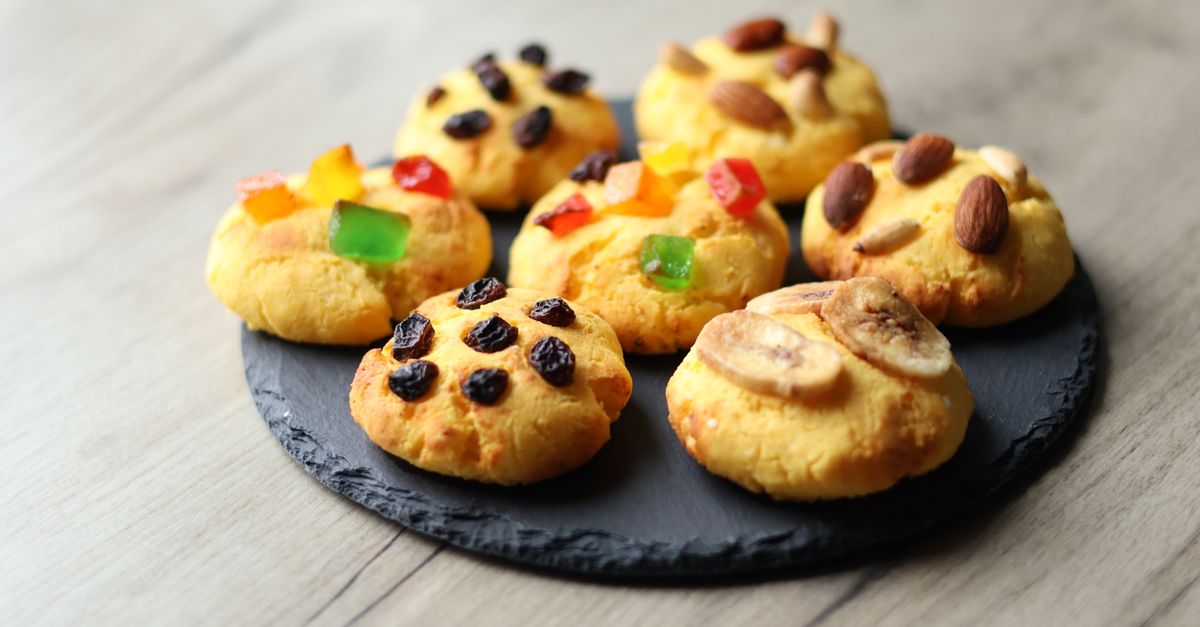
Why Your Homemade Cookies Are Flat, Not Puffy (And The Pro Secrets That Guarantee Bakery-Perfect Results Every Time)
Ever wonder why your homemade cookies spread flat instead of staying puffy? Discover the pro secrets to achieve bakery-perfect results.
Why Your Homemade Cookies Are Flat, Not Puffy (And The Pro Secrets That Guarantee Bakery-Perfect Results Every Time)
Tired of flat cookies? Discover the overlooked mistakes in your baking and the pro secrets for perfectly puffy, chewy cookies every time.