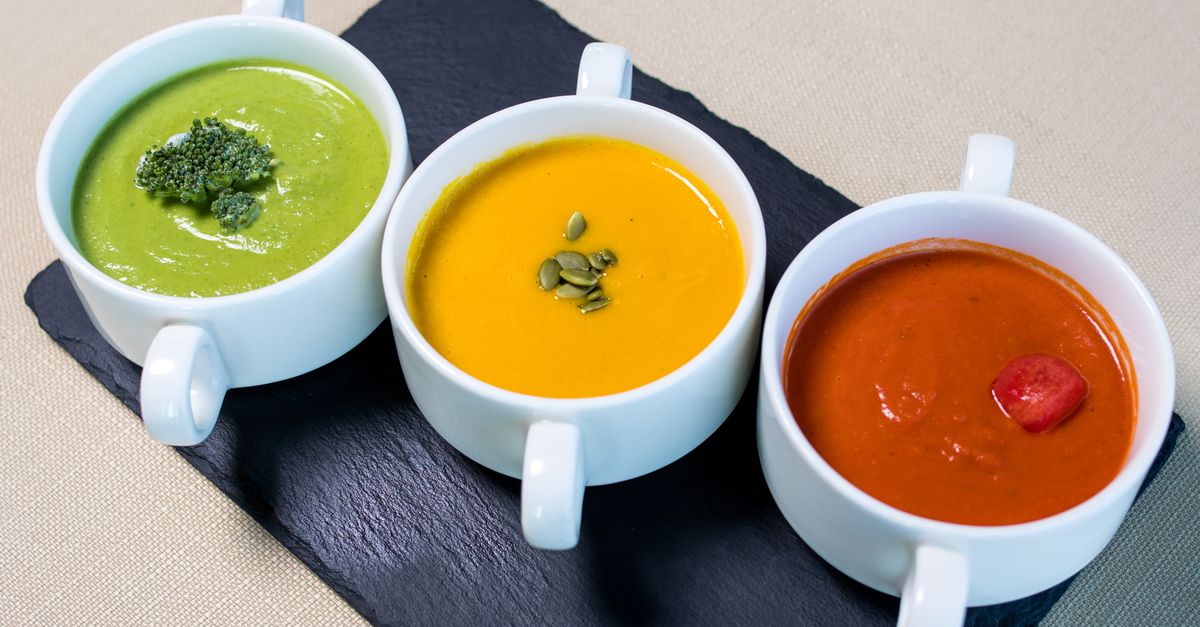
Why Your Homemade Soup is Bland (And The Flavor Secrets That Changed Everything For Me)
Are you tired of making homemade soup that just… falls flat? You follow a recipe, chop all the vegetables, let it simmer for hours, and yet the result is often a watery, one-note broth that feels more like a missed opportunity than a comforting meal. I’ve been there countless times. For years, my soups were a consistent disappointment. I’d dutifully add salt, pepper, and perhaps a bay leaf, expecting magic, only to be met with blandness. It was disheartening, especially when I knew the potential of a truly soul-warming bowl of soup.
The truth is, most home cooks miss several critical, yet simple, steps that professional chefs use to build incredible depth of flavor. It’s not about adding exotic ingredients or spending hours hunting down rare spices. It’s about understanding how flavors develop, how to layer them, and how to extract the maximum impact from everyday ingredients. The mistake I see most often is treating soup as a ‘throw everything in and simmer’ affair. While simmering is crucial, what happens before that simmer, and how you manage flavor during it, makes all the difference. What changed everything for me was realizing that flavor isn’t a single ingredient; it’s a journey.
Key Takeaways
- Build a foundational flavor base by properly browning aromatics and meat, not just softening them.
- Layer flavors strategically by adding ingredients at different stages of cooking, allowing each to contribute fully.
- Use high-quality, concentrated liquids like homemade stock or bouillon paste to enhance richness without adding excess water.
- Incorporate ‘umami bombs’ like tomato paste, Parmesan rinds, or dried mushrooms to add profound savory depth.
- Balance your soup with acidity, sweetness, and a final hit of freshness to elevate and brighten the overall taste.
The Fatal Flaw: Skipping the Flavor Foundation
The biggest reason your soup is bland is likely because you’re not building a proper flavor foundation. Think of soup as a house: you can’t have a sturdy roof without a solid foundation. Most recipes instruct you to ‘sauté onions until softened’ or ‘brown meat,’ and many home cooks interpret this as a quick pass in the pan. This is where the flavor train derails.
In my experience, you need to go beyond ‘softened’ or ‘browned’ to ‘deeply caramelized’ for aromatics and ‘richly seared’ for meats. When you sauté onions, carrots, and celery (the holy trinity, or mirepoix), don’t just cook them until translucent. Push them further. Let them develop a beautiful golden-brown color on the edges, even a little dark caramelization. This process, called the Maillard reaction, creates hundreds of new flavor compounds that are impossible to get otherwise. It takes time – often 10-15 minutes on medium-low heat, not 3-5. For meats like beef or chicken, sear them intensely in small batches until a dark, crusty caramelization forms. This isn’t just about color; it’s about flavor concentration.
Actionable Insight: Dedicate at least 10-15 minutes to properly caramelizing your aromatics over medium-low heat. If adding meat, sear it aggressively until a deep brown crust forms, then deglaze the pan with a splash of liquid to scrape up all those flavorful browned bits (the fond). This step alone will elevate your soup from watery to wonderfully rich.
The Overlooked Power of Concentrated Liquids
Many bland soups suffer from too much water and not enough actual flavorful liquid. Recipes often call for ‘broth’ or ‘stock,’ and we grab the cheapest carton from the grocery store. While convenient, many store-bought broths are surprisingly weak, essentially flavored water with a hint of salt.
What truly changed my soup game was investing in better stock. If you can make your own, do it. The difference is night and day. A homemade chicken stock, simmered for hours with bones and vegetables, is a complex, gelatinous elixir. If homemade isn’t feasible, look for high-quality, low-sodium alternatives. I’ve found that using bouillon paste (not cubes or powder) is a fantastic workaround. Brands like Better Than Bouillon offer intense, concentrated flavor that dissolves easily and provides a much richer base than thin boxed broths. This paste has significantly less water content, meaning you’re adding pure flavor, not dilution.
Actionable Insight: Ditch thin, watery broths. Use homemade stock whenever possible. Otherwise, opt for concentrated bouillon pastes (like Better Than Bouillon) and dilute them with water as needed, rather than relying on weak boxed broths. This ensures your soup starts with a strong, savory backbone.
The Art of Layering: When to Add What
Think of flavor in soup like layers of paint on a canvas. You wouldn’t throw all the colors on at once. Similarly, adding all your ingredients at the same time is a recipe for a flat, muddled taste. Each ingredient has an optimal time to be introduced to contribute its unique flavor profile.
For example, dried herbs like bay leaves, thyme, or oregano should go in early with your aromatics. Toasting them briefly in the fat before adding liquid awakens their essential oils. Spices, too, benefit from a quick toast. Fresh, delicate herbs like parsley, cilantro, or dill, however, should be added right at the very end, or even as a garnish, to preserve their vibrant, fresh notes. If you add them too early, they’ll cook out and lose their punch. Similarly, quick-cooking vegetables like spinach or frozen peas should be added only in the last few minutes to retain their texture and bright color.
Actionable Insight: Develop a mental timeline for your ingredients. Dry spices and hardy herbs go in early; roots and hearty vegetables next; concentrated liquids, tomatoes, and other ‘umami bombs’ a little later; delicate vegetables and fresh herbs last. This strategic layering ensures each ingredient shines and contributes to a complex final flavor.
The Secret Weapon: Umami Bombs
Umami, often described as the ‘fifth taste,’ is that deep, savory, satisfying quality that makes food craveable. Many home cooks inadvertently leave this out, resulting in soups that taste merely salty or herbal, but not truly rich. Incorporating ‘umami bombs’ can transform a good soup into an unforgettable one.
My go-to umami enhancers include: tomato paste, Parmesan rinds, dried mushrooms, and fish sauce. Tomato paste, when properly cooked until it darkens and thickens, develops a sweet, concentrated umami. Parmesan rinds, simmered in the broth, slowly release their salty, nutty goodness. Dried shiitake or porcini mushrooms, rehydrated and then chopped, add a profound earthy depth (and their soaking liquid is liquid gold for your broth!). A small dash of fish sauce (don’t worry, it won’t make your soup taste like fish) can amplify savory notes in a miraculous way, especially in chicken or vegetable soups.
Actionable Insight: After caramelizing aromatics, stir in a tablespoon or two of tomato paste and cook it for 2-3 minutes until it deepens in color. Toss in a discarded Parmesan rind. Consider adding rehydrated dried mushrooms and their strained soaking liquid. For a subtle but powerful boost, add a teaspoon of fish sauce during the simmering stage.
The Final Polish: Balancing & Brightening
Once your soup has simmered and developed its deep flavors, it’s not quite done. The last step, and one that separates decent soup from truly great soup, is balancing and brightening. Even the richest soup can benefit from a touch of acidity, a hint of sweetness, and a final burst of freshness.
A squeeze of lemon juice or a splash of vinegar (red wine, sherry, or even apple cider) at the end can cut through richness, awaken dormant flavors, and make the whole bowl sing. It’s like a sprinkle of magic. Similarly, a pinch of sugar or a touch of honey can round out savory notes, especially in tomato-based or vegetable soups. Finally, don’t underestimate the power of fresh herbs. Chopped parsley, cilantro, chives, or a swirl of good quality olive oil added right before serving provides aroma, color, and a vibrant lift that contrasts beautifully with the deep, slow-cooked flavors.
Actionable Insight: Before serving, taste your soup critically. Does it need a little zing? Add a squeeze of lemon or a splash of vinegar. Is it missing something? A pinch of sugar or honey might be the answer. Always finish with fresh herbs, a drizzle of good olive oil, or a dollop of crème fraîche for that final, professional touch.
Frequently Asked Questions
Q: My soup always tastes watery. How can I make it thicker and richer without adding cream?
A: Watery soup is often due to insufficient flavor foundation and thin stock. To thicken without cream, try puréeing a portion of the soup (especially if it contains starchy vegetables like potatoes, carrots, or beans) with an immersion blender, or mashing some of the vegetables against the side of the pot. You can also make a roux by cooking flour in fat before adding liquid, or stir in a slurry of cornstarch or flour mixed with cold water right at the end of cooking. Using less liquid to begin with and a higher-quality, more concentrated stock (like bouillon paste) also helps immensely.
Q: How much salt should I add to my soup?
A: Salting is crucial and often underestimated. Salt enhances flavor, it doesn’t just add saltiness. The best approach is to salt in layers. Add a pinch with your aromatics, another when you add liquid, and then taste and adjust at the very end. Different ingredients, especially highly processed ones like canned tomatoes or store-bought broth, can vary wildly in sodium content. Always taste and add a little at a time until the flavors pop – not just taste salty. If you’ve gone too far, a cut potato simmered in the soup for 15-20 minutes can absorb some excess salt, or you can dilute it with unsalted stock or water.
Q: Can I use dried herbs instead of fresh, and vice-versa?
A: Yes, but with adjustments. Dried herbs are more concentrated than fresh, so generally use about one-third the amount of dried herbs compared to fresh. For example, if a recipe calls for 1 tablespoon of fresh thyme, use 1 teaspoon of dried thyme. Dried herbs are best added early in the cooking process (with your aromatics) to allow their flavors to rehydrate and meld. Fresh herbs, especially delicate ones like parsley, cilantro, or chives, are best added towards the end or as a garnish to preserve their vibrant flavor and color. Heartier fresh herbs like rosemary or thyme can be added earlier in the simmer.
Q: My soup tastes bitter. What went wrong?
A: Bitterness can come from several sources. Overcooked garlic, burnt aromatics, or certain herbs (like bay leaves left in for too long, though this is rare) can contribute. Sometimes, it’s also from aggressive simmering that reduces the liquid too much, concentrating bitter compounds. If you suspect burnt aromatics, it’s often best to start over the flavor will be pervasive. To balance a slightly bitter soup, try adding a pinch of sugar, a touch of cream (if appropriate for the recipe), or a squeeze of lemon juice. Acidity and sweetness are excellent counterpoints to bitterness.
Q: How can I make vegetarian soup more flavorful without meat?
A: The principles are the same, but you need to be more intentional. Focus heavily on caramelizing aromatics, roasting vegetables (roasting brings out sweetness and depth), and using high-quality vegetable stock or bouillon paste. Umami bombs like tomato paste, dried mushrooms (and their soaking liquid), nutritional yeast, and Parmesan rinds (if you consume dairy) are even more critical. Smoked paprika can add a savory, smoky note. Don’t shy away from herbs and spices, and remember to balance with acidity and sweetness at the end.
Conclusion
Transforming bland soup into a deeply flavorful, satisfying meal is entirely within your reach. It’s not about being a gourmet chef; it’s about understanding and applying a few core principles. By properly building your flavor foundation, using concentrated liquids, layering ingredients thoughtfully, incorporating umami, and finishing with a flourish of balance and brightness, you’ll unlock a new world of culinary satisfaction. Stop settling for watery, one-note soups. Embrace these techniques, experiment with what you have, and get ready to enjoy truly delicious homemade soup that comforts and delights. Your taste buds—and your wallet—will thank you for it.
Written by Sarah Jenkins
Home budgeting and frugal living
A former community organizer, Sarah brings a knack for finding resourceful solutions to common household challenges.
You Might Also Like
Why Your DIY Furniture Makeover Chips and Peels (And How to Get a Lasting, Pro Finish)
Stop chipping and peeling! Discover the overlooked mistakes in DIY furniture makeovers and pro techniques for a durable, flawless finish that lasts.

Why Your Homemade Cookies Are Flat, Not Puffy (And The Pro Secrets That Guarantee Bakery-Perfect Results Every Time)
Ever wonder why your homemade cookies spread flat instead of staying puffy? Discover the pro secrets to achieve bakery-perfect results.
Why Your Homemade Cookies Are Flat, Not Puffy (And The Pro Secrets That Guarantee Bakery-Perfect Results Every Time)
Tired of flat cookies? Discover the overlooked mistakes in your baking and the pro secrets for perfectly puffy, chewy cookies every time.